Email Sign-Up
This form allows visitors to subscribe to informative emails and updates without requesting a design consultation.

When you start researching solar, the string inverter vs. microinverter debate shows up almost immediately. One installer says microinverters are the premium option. Another refuses to use them at all. Both sound confident. Neither usually explains the long-term tradeoffs.
Microinverters can absolutely make sense, especially on shaded or complicated roofs. But more rooftop electronics also means more components exposed to years of heat, moisture, and weather. More parts and more connections mean more potential repairs later. Belmont Solar often calls this “solar whack-a-mole.” One small issue appears. Then another. Then another.
That does not make microinverters bad. It just means the real conversation is bigger than first-year production numbers.
Your inverter choice affects:
Solar is not a short-term purchase. Just because a system is easier to install does not mean it will be easier to own 15 years later.
This guide breaks down the real-world pros and cons of string inverters and microinverters, where each system makes sense, and why Belmont Solar consistently prioritizes long-term serviceability over marketing trends.
Here’s a straightforward comparison that highlights the biggest differences before we get into the details:
| Feature | String Inverter | Microinventer |
| Upfront Cost | Lower | Higher |
| Long Term Maintenance | Lower | Higher |
| Shade Performance | Moderate | Excellent |
| Repair Access | Easier | More Difficult |
| Electronics on Roof | Minimal | Extensive |
| Best For | Open Roofs | Shaded or Complex Roofs |
All solar inverters do the same basic job: converting the electricity your panels produce into usable power for your home.
The difference is where that conversion happens.
String inverters use one centralized inverter, usually mounted near your electrical equipment.
Microinverters place a small inverter underneath every panel on the roof.
String inverters centralize electronics into a single, accessible location. Microinverters distribute electronics across the roof. One approach prioritizes simplicity and serviceability. The other prioritizes panel-level optimization.

String inverters keep systems simpler.
Instead of placing dozens of electronic devices beneath your panels, the system uses a single centralized inverter in an accessible location. That usually means easier diagnostics, easier repairs, and lower labor costs.
This is one reason Belmont Solar prefers Fronius string inverters for many systems. The goal is to keep critical electronics off the roof whenever practical.
String inverters also typically offer:
String inverters are not ideal for every roof.
If your roof has heavy shading or inconsistent sunlight, microinverters usually perform better.
You also get less detailed monitoring because most systems track production at the system level rather than the panel level.
And if the main inverter fails, the entire system temporarily shuts down until repairs are completed.
Microinverters perform very well on difficult roofs.
Because every panel operates independently, shading on one panel does not reduce production across the entire system.
That makes them especially useful if your roof has:
You also get panel-level monitoring and more flexibility in system layout.
Microinverters place dozens of electronic components directly on your roof.
More electronics means:
And all of those components sit through years of:
Most inverter conversations stop at production numbers because that is the easy part to sell. Very few talk about what happens when something fails on a hot roof 12 years from now. When a microinverter fails, the rest of the system usually continues to run. But repairs are more involved because technicians often need roof access and panel removal to replace the failed unit.
That ongoing repair cycle is exactly why Belmont Solar uses the “solar whack-a-mole” analogy and often does not recommend microinverters for straightforward residential roofs.
Microinverters can absolutely perform well. The question is whether the additional production benefits outweigh the added complexity and long-term maintenance exposure for your specific roof.
For many systems, yes. String inverter systems usually contain fewer electronic components overall. That simplicity often makes systems easier to maintain in the long term.
String inverter systems can also make future expansion easier if the system is planned correctly from the beginning. In some cases, installers can size the inverter with additional capacity upfront so homeowners can add more panels later without replacing the inverter itself.
Microinverters offer a different type of flexibility. Because every panel operates independently, adding panels later is usually straightforward. Each new panel simply receives its own microinverter. That modular approach works well for phased installations, but it also increases the number of rooftop electronic components over time.
| Factor | String Inverter | Microinverter |
| Service Access | Ground Level | Roof |
| Electronics | Fewer | Many |
| Repair Complexity | Easier | More Involved |
| Heat Exposure | Lower | Higher |
| Future Expansion | Possible with upfront planning | Have to add a microinverter with each new panel |
After servicing solar systems across PA & Maryland for years, Belmont Solar has seen firsthand how repair access and long-term maintenance affect ownership costs. That is why we prioritize serviceability so heavily.
Efficiency matters. But so does how practical the system will be to repair in 10 or 15 years.
Sometimes. Microinverters often make sense if your roof has:
In those situations, the production gains can justify the additional cost. But on large open roofs with strong sunlight, the performance difference is often much smaller than you may expect.
If the production gains are minor, many people would rather have:
A simple rule of thumb: If your roof has minimal shading, a string inverter system is usually simpler, easier to repair, and less expensive to maintain. If your roof has significant shading or complicated rooflines, microinverters may be worth the added cost.
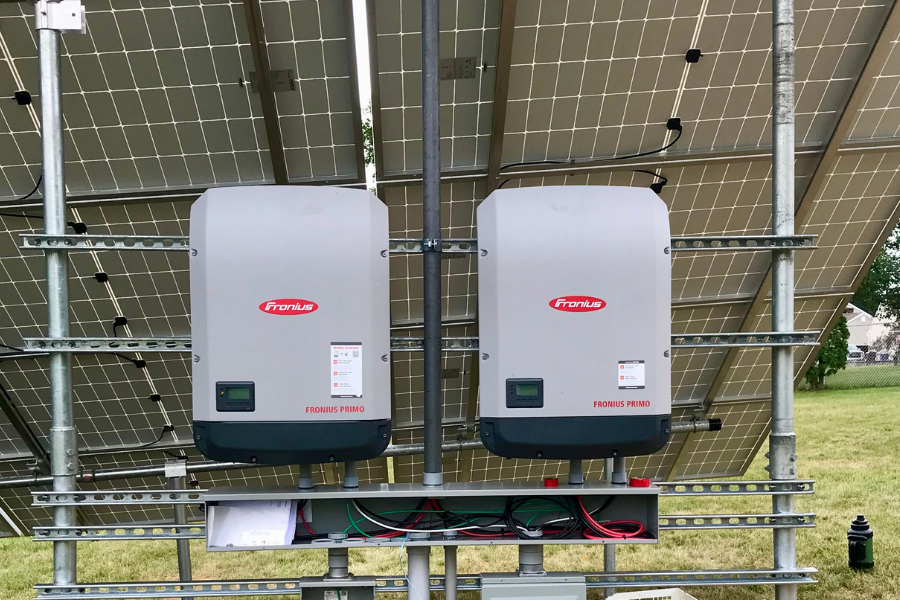
Belmont Solar uses Fronius string inverters because they align with the company’s focus on reliability, accessibility, and long-term serviceability.
After years of servicing systems across PA and Maryland, Belmont Solar has found that centralized inverter systems are often faster and less invasive to repair than systems with electronics distributed across the roof.
Fronius systems help keep critical electronics:
That matters because solar is a long-term investment, not a one-time transaction.
As Belmont Solar puts it:
“Buy Nice, or Buy Twice.”

Choose string inverters if you want:
Choose microinverters if you want:
Both inverter styles can absolutely make sense. But the decision should not come down to marketing claims or which system gets called “premium.”
It should come down to:
For many straightforward roofs, string inverter systems remain one of the cleanest and most serviceable options available.
For heavily shaded or highly complex roofs, microinverters can provide meaningful production advantages.
Ultimately, the best solar system is the one that still makes sense decades from now.
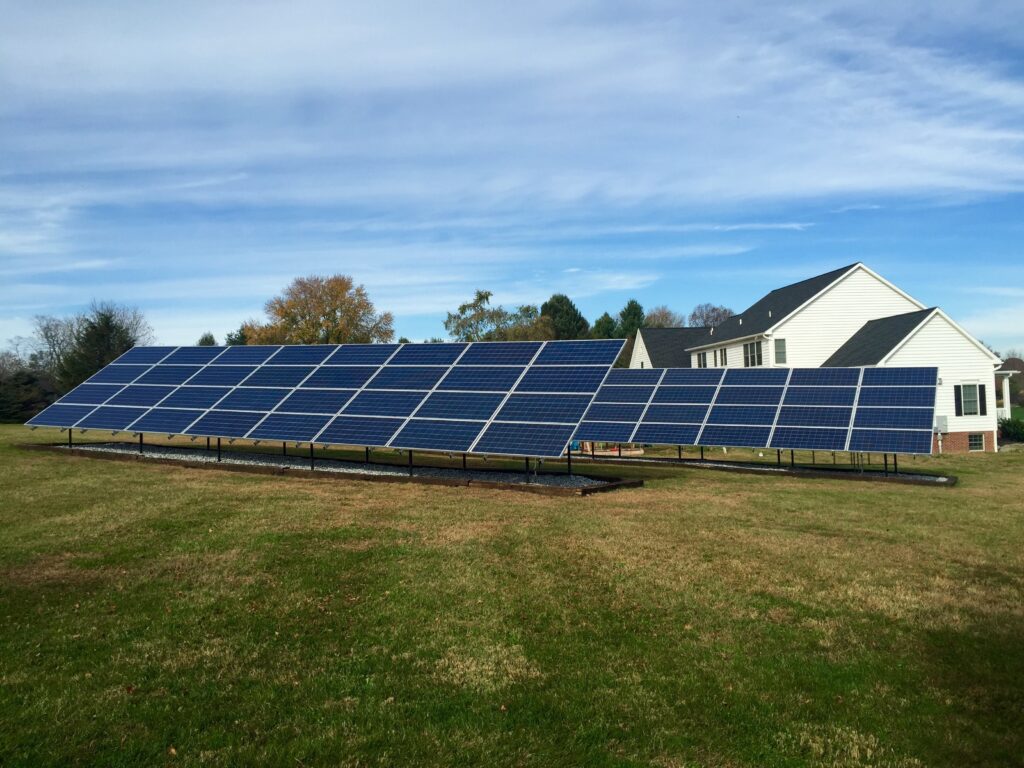
The best inverter is not the one with the most marketing hype. It’s the one that makes sense for your roof, your shading conditions, and the way you plan to own your system.
Belmont Solar helps you compare string inverters and microinverters based on real-world maintenance, repairs, and serviceability, not just sales trends.
If you want to avoid unnecessary rooftop repairs and design a solar system that still makes practical sense years from now, Belmont Solar can help you compare your options based on your roof, your shading, and your long-term goals.

It's a Fusion Reactor in the sky, a safe distance away. No need to invent a new one.


